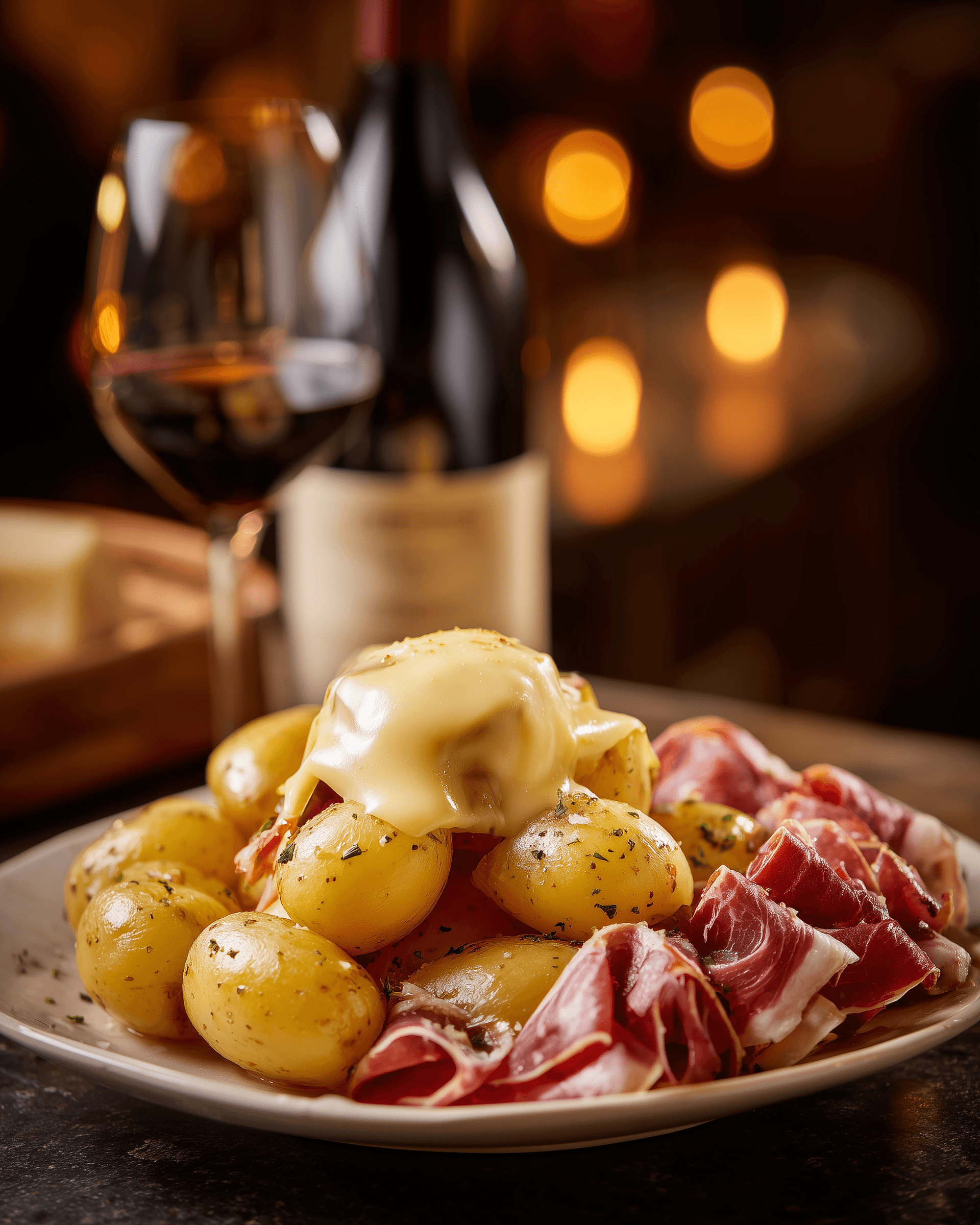
Raclette looks like a simple dish, almost naïve. In reality, it is a fairly sophisticated sensory machine. Melted cheese brings heat and fat; potatoes add sweetness and starch; charcuterie contributes salt and texture; pickles introduce acidity and crunch. Everything happens on the same plate, at the same time. That is why pairing raclette with wine is not a matter of tradition, but of physical balance: what works is what reduces friction, not what merely “accompanies” the dish.
This is why, for decades, the most common answer in France has been white wine. Not out of ideology, but out of efficiency. A fresh, acidic white cuts through the fat and resets the palate with every bite. Alpine wines—from Savoie and the Valais—work because they were born for this role: low alcohol, lively acidity, no aromatic heaviness. The same logic applies beyond regional borders: dry Chenin from the Loire, Muscadet, young and taut Chardonnay. Not important wines, but useful ones.
Red wine often fails for a very specific reason: tannins. With warm, melted cheese, tannins dry the mouth, interrupt lubrication, and amplify bitterness from the rind and lactic components. This is not a matter of personal taste; it is a predictable sensory effect. When reds do work, it is because they are light, lightly extracted, almost “transparent,” or because time has softened their tannins. This is why Gamay, lightly built Pinot Noir, Poulsard, and Trousseau succeed. These are reds that do not try to dominate the dish, but slide underneath it.
Seen from Italy, raclette does not call for imitation but for intelligent translation. There is no need to search for a French wine “equivalent” by appellation; what matters is replicating the function. This is where Soave Classico, Verdicchio dei Castelli di Jesi, and young Timorasso come into play: whites with edge rather than softness. If a red is desired, Schiava and some lighter styles of Pinot Noir work for the same reasons as their French counterparts. And, unexpectedly, even a mountain Nebbiolo such as Valtellina can succeed—provided it is fine, not over-extracted, and has a few years behind it: a red that behaves more like a structured white than a powerful red.
The real lesson of raclette is not about the dish itself, but about method. Faced with a warm, fatty, salty system, the right wine is not the one that “pairs nicely,” but the one that reduces friction. Acidity, drinkability, controlled tannins, and serving temperature matter more than the label. Perhaps this is why raclette—born in alpine pastures and transformed into a modern European ritual—remains one of the best exercises for truly understanding how food and wine pairing works.
Curated by Con Gusto
We select, analyze, and translate Italian food culture into practical taste decisions.
Trending Post

Stay up-to-date
Related Post
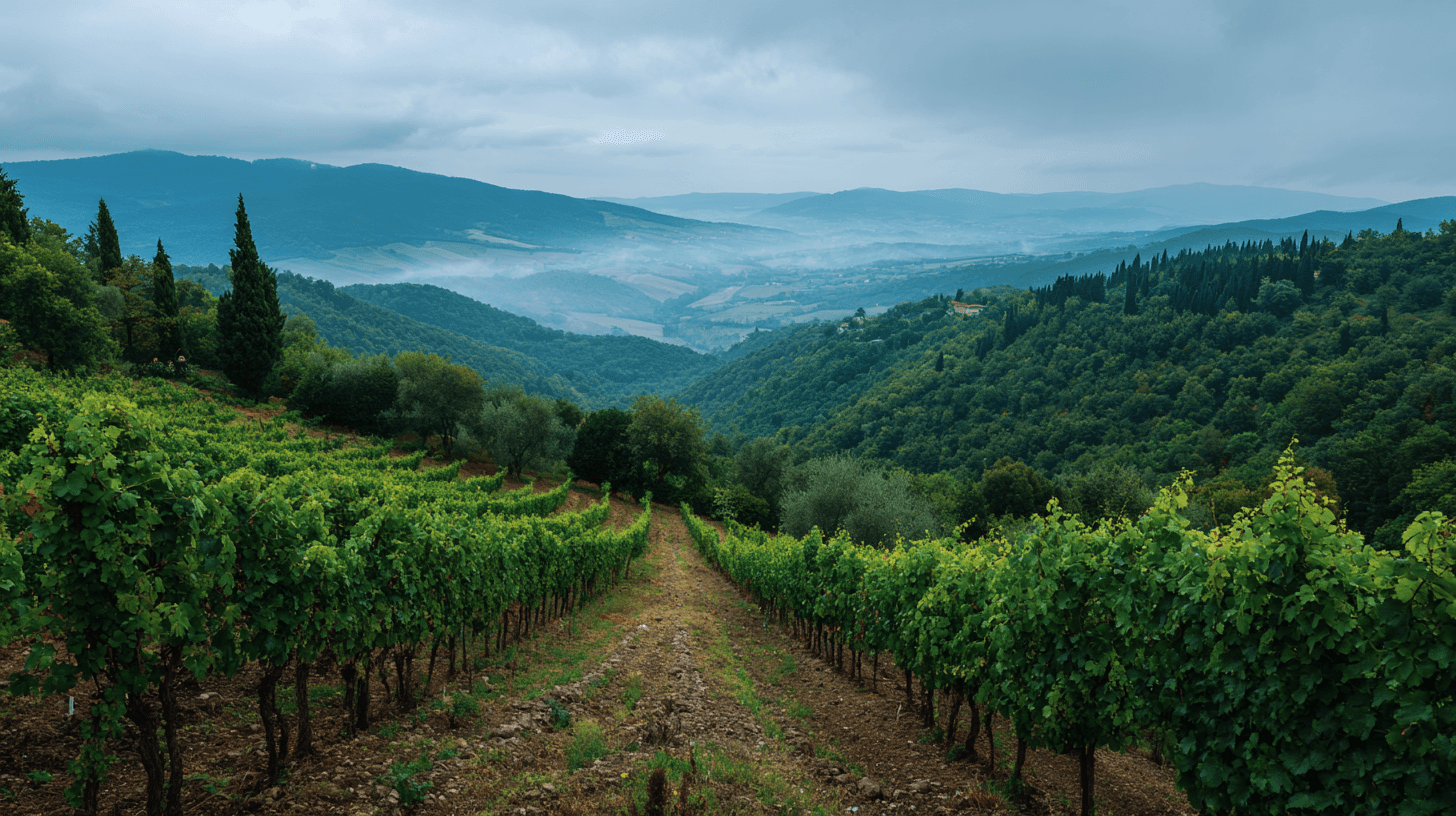
A denomination recognised as an area of excellence in 1716, described as "arguably the most famous of the Chianti sub-zones" by a Master of Wine in 2018, and almost absent from the international consumer radar. The reason is in the name.
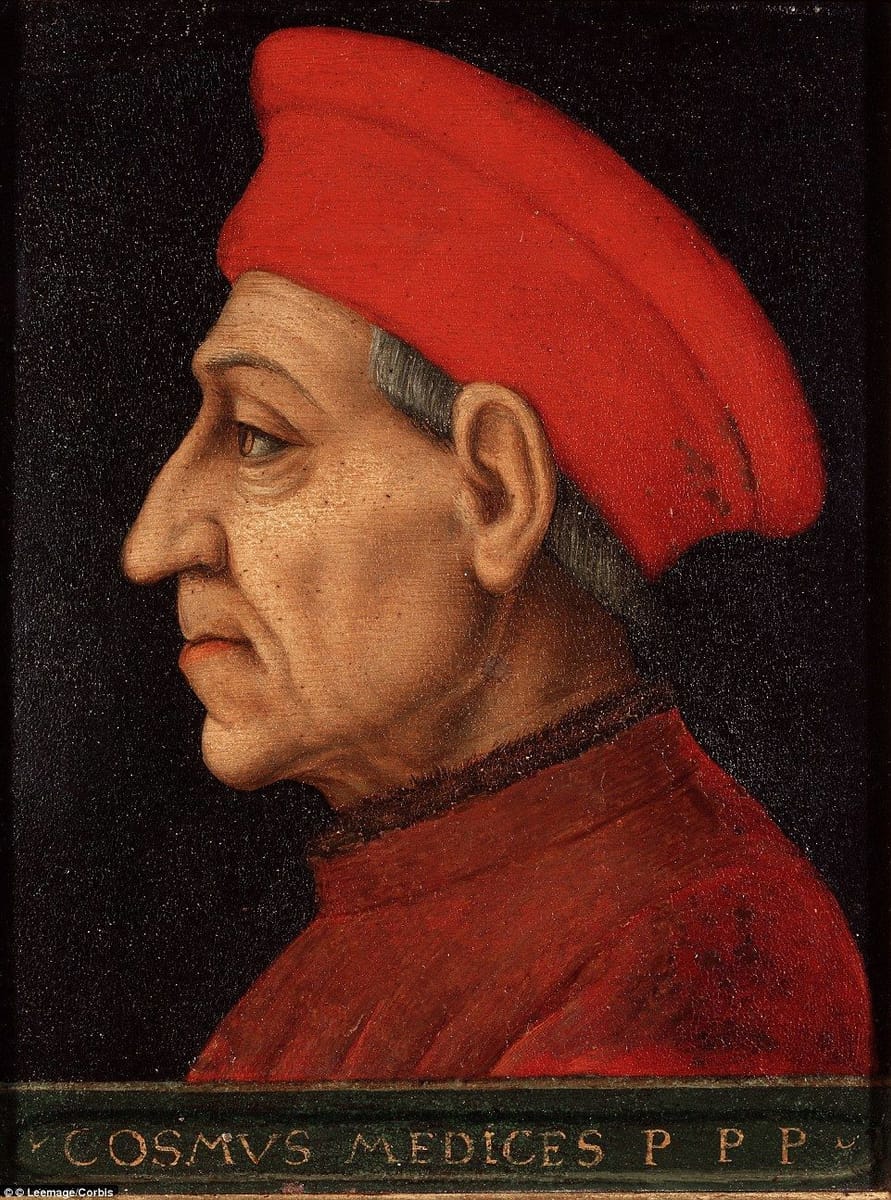
The denomination with the most extraordinary historical record in Italian wine is almost absent from the international radar. That's not an accident, it's the result of seventy years of administrative simplification.
Any system that manages complex value works when it codifies enough to make context legible, and little enough to avoid destroying what makes that context irreplaceable. Barolo has understood this for two hundred years.