
Ten Italian Red Wines That Truly Matter
These are not “the best” wines. They are wines that made a choice, and kept it, even when the market moved in the opposite direction. That is where importance begins.
There is a persistent misunderstanding: that a wine’s importance coincides with its price, or with the power of the name on the label. Marketing helps create recognition, fix hierarchies, and turn bottles into global “must-haves.”
But importance — the kind that matters to people who make decisions for a living — is something else entirely: density of history, production discipline, consistency over time, the ability to age without becoming a caricature, and a non-negotiable relationship with place.
Con Gusto does not try to simplify these wines into a ranking designed to help you buy better. It tries to make them legible, as cases where simplification fails.
What follows is not a list of “the best.” These are wines that imposed a vision. They resisted fashion, market shortcuts, and the temptation to please quickly. Each tells a story of choice — and every choice, as you know well, comes at a cost.
This is not “the truth.” It is a map: ten Italian red wines that, for different reasons, stopped being just wine and became an idea.
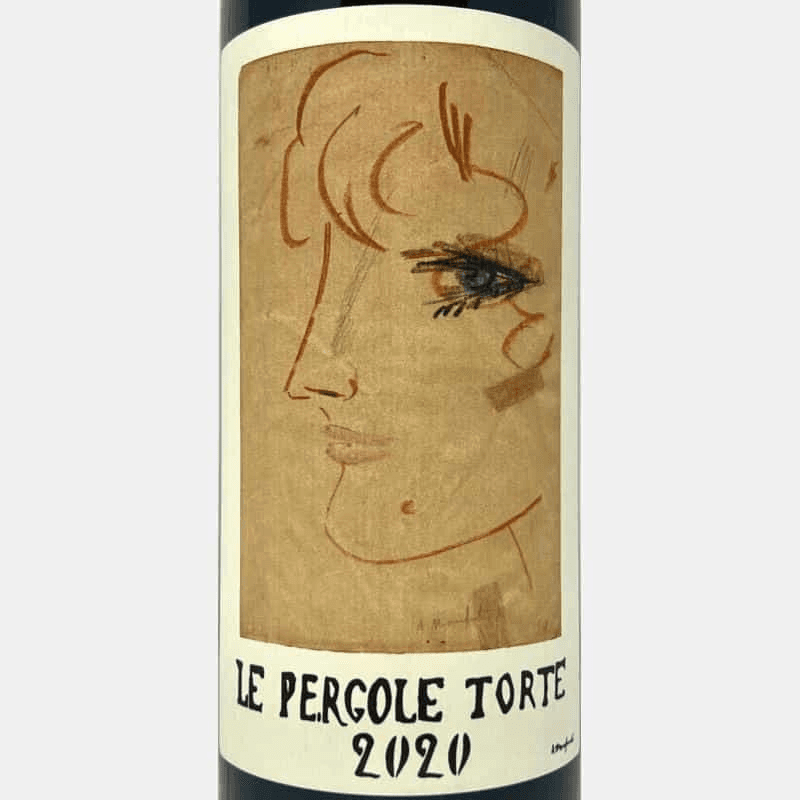
10) Montevertine – Pergole Torte (Tuscany)
In the 1970s, when everything pointed toward blending, Montevertine chose the opposite path: pure Sangiovese. No concessions. Pergole Torte was born almost out of stubbornness, a quiet declaration against the idea that “appealing to everyone” is a sensible goal.
A Sangiovese that never asked for permission. Its importance is not institutional (it is neither Brunello nor system-driven Chianti Classico) but demonstrative: Tuscan identity can be sharp without being domesticated.
Authority built through coherence, vintage after vintage.
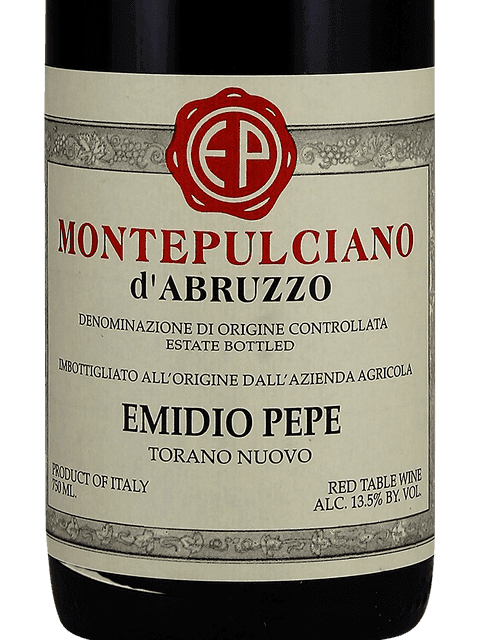
9) Emidio Pepe – Montepulciano d’Abruzzo (Abruzzo)
Emidio Pepe did something simple — and risky: he chose not to accelerate.
In the 1960s and 70s, Abruzzo was seen as a region of volume. Montepulciano was expected to be ready, generous, short-term. Pepe never accepted that premise.
His idea was elementary: if the fruit is healthy and the land is true, intervention is unnecessary. What’s needed is time.
No barriques. No technological shortcuts. Cement tanks, minimal racking, and the decision to let the wine speak twenty years from now, not at the next trade fair.
At first, it didn’t work commercially. Young wines were tense, uncompromising. Then, with time, something unexpected happened: they opened up — and aged better than many “serious” great reds.
Emidio never tried to educate the market. He worked as if the market would eventually understand. A bet few can afford: being out of sync for years while investing in a fundamental value.
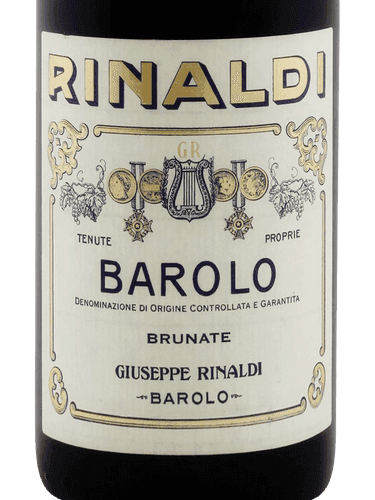
8) Giuseppe Rinaldi – Barolo (Piedmont)
Barolo is “important” by definition. But not all Barolos matter in the same way.
Giuseppe Rinaldi never needed to explain himself. His bottles speak in a low, steady voice.
Here, Barolo is not about power, but measure. Tannins that don’t seek dominance, but longevity. A grammar of place — acidity, structure, evolution — written without shortcuts.
It is the story of discreet leadership: one that doesn’t reinvent the language, because it understands it perfectly.
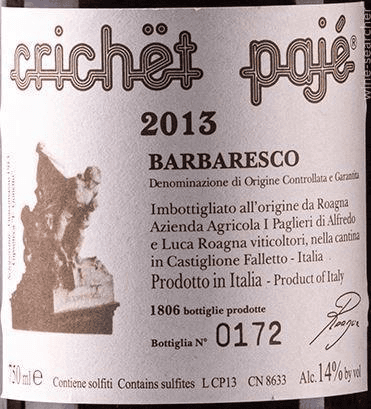
7) Roagna – Barbaresco Crichët Pajé (Piedmont)
Barbaresco is often described as Barolo’s “elegant sibling,” a label that simplifies more than it explains. In the case of Crichët Pajé, elegance is not a matter of softness or approachability, but the result of a deliberate search for precision.
Roagna works by subtraction, removing anything that might blur the signal of the site, until every element in the wine serves a clear structural purpose. The Nebbiolo that emerges is immediately intelligible, not because it has been made easier, but because its internal logic is coherent from the start.
Youth does not conceal its direction, and time does not distort it. What remains is a wine with less noise and more signal — a system that functions not by reducing complexity, but by governing it.
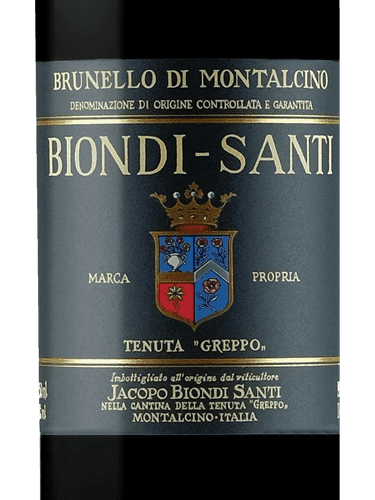
6) Biondi-Santi – Brunello di Montalcino Riserva (Tuscany)
This wine is not just important. It is foundational.
Before Biondi-Santi, Brunello did not exist as we understand it today. Here, a product becomes a standard — and the standard becomes culture. Drinking the Riserva is like rereading the first version of a strategy everyone later copied. Some made it shinier. No one made it sturdier.
Prototype and archive at once. An idea of excellence that survives not because it trends, but because it withstands time — the only non-negotiable judge.
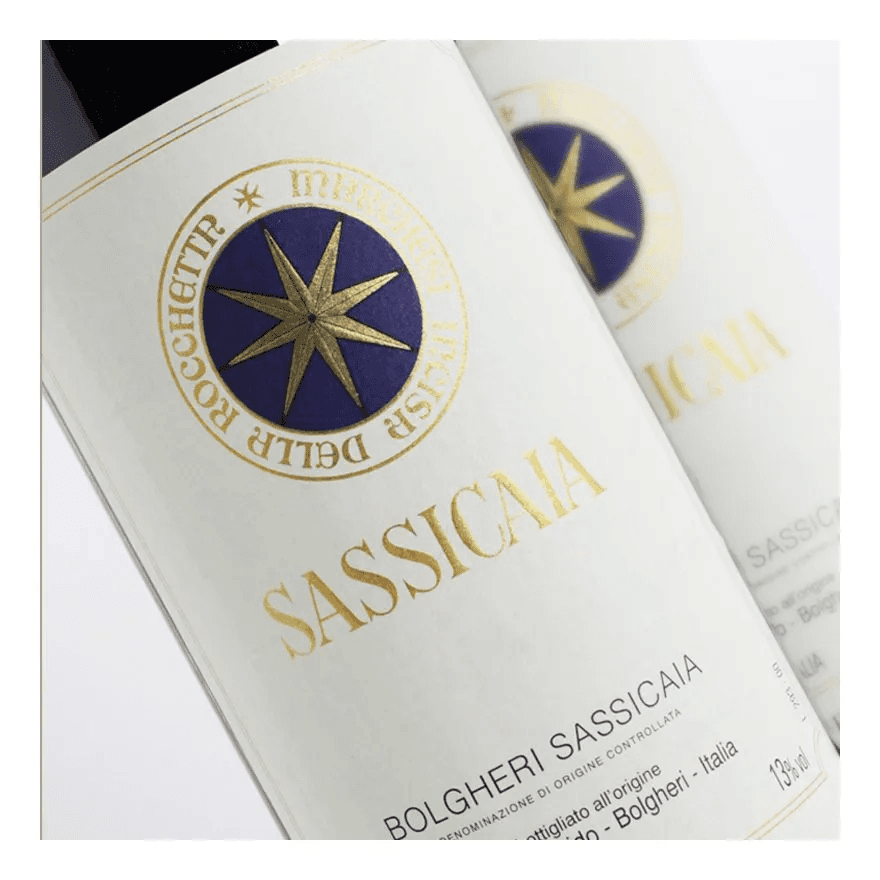
5) Sassicaia – Tenuta San Guido (Bolgheri, Tuscany)
Before Sassicaia, Bolgheri was a footnote. After Sassicaia, it became a destination.
Tenuta San Guido introduced a straightforward but unconventional idea for Italy at the time: using Bordeaux grape varieties — primarily Cabernet Sauvignon and Cabernet Franc — to build a serious, long-lived red wine outside traditional Italian appellations. These grapes were not adopted to copy French wines, but to apply a different way of thinking about structure, aging, and consistency.
The result was a wine that proved excellence could be designed around site and method, rather than inherited from tradition. Its importance is not only sensory, but structural: it changed where and how authority in Italian wine could be established.
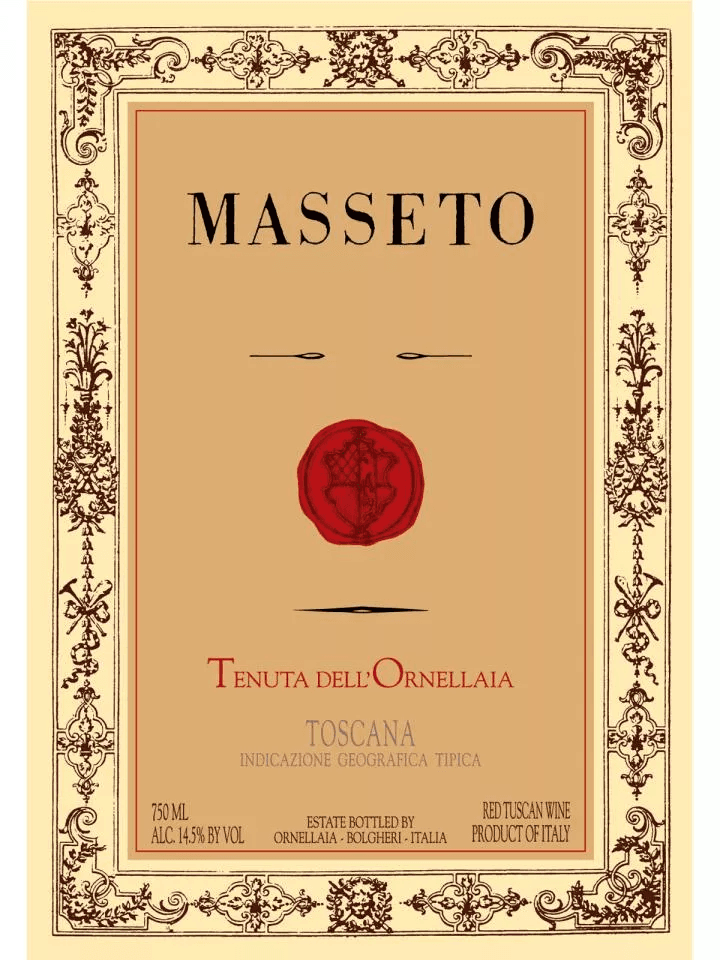
4) Masseto – Tenuta dell’Ornellaia (Bolgheri, Tuscany)
Masseto comes from a parcel no one wanted. Too much clay. Too difficult.
That’s precisely why it became unique.
A Merlot that should not have worked in Italy — and yet does, definitively.
It would be easy to reduce it to a pure status symbol. The real point is different: it is an exception that becomes a benchmark. Not by imitation, but by raising the bar.
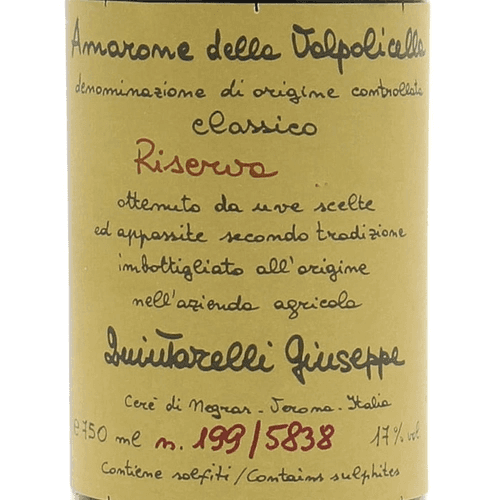
3) Quintarelli – Amarone della Valpolicella Riserva (Veneto)
Amarone is often reduced to “rich, powerful, alcoholic.” Sometimes it tips into excess. Quintarelli turns it into discipline.
Long, controlled drying; interminable aging where time becomes an ingredient. Power, yes — but always governed. Organised patience. A system that accepts complexity, provided it is controlled.
A wine that shows what Valpolicella can become when ambition does not coincide with excess.
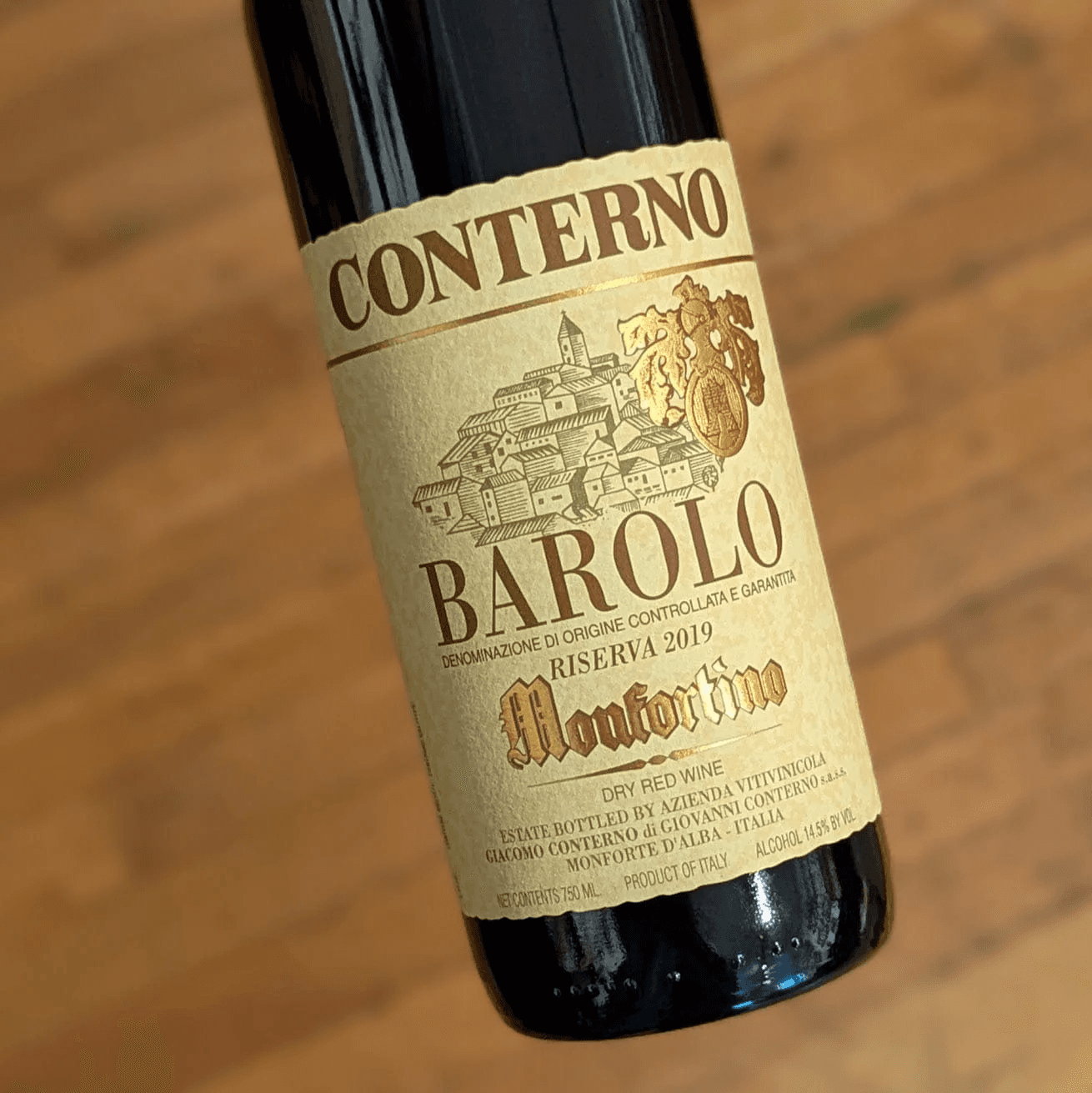
2) Giacomo Conterno – Barolo Monfortino (Piedmont)
Monfortino cannot be explained. It must be waited for.
Six years in cask, sometimes more. No compromises in difficult vintages: if it’s not good enough, it simply isn’t released.
Giacomo Conterno turned waiting into method. A form of extreme governance: better not to decide than to decide badly. Here, Barolo is not a flavour — it is a contract with time.
1) Soldera – Case Basse (Tuscany)
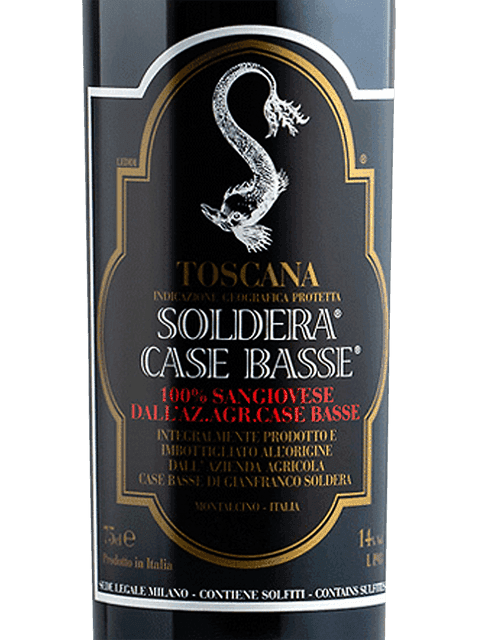
Here, mediation ends.
Soldera is one man’s vision taken to its ultimate consequences: total control, pure Sangiovese, no compromise. Austerity and contemporary freshness coexist without negotiation.
It matters because it makes one thing unmistakably clear: excellence is not an aromatic profile. It is a form of rigor. And it does not allow delegation.
What Remains (Beyond the Ranking)
These ten wines come from different logics — craftsmanship, institution, market — but share one trait: they resist reduction. They never become slogans. They refuse simplification.
Many famous names were left out. Not for lack of quality, but because importance does not coincide with notoriety.
These are not wines to collect. They are wines to use as a measure. That is why, even today, they still matter.
Curated by Con Gusto
We select, analyze, and translate Italian food culture into practical taste decisions.
Trending Post
Stay up-to-date
Related Post
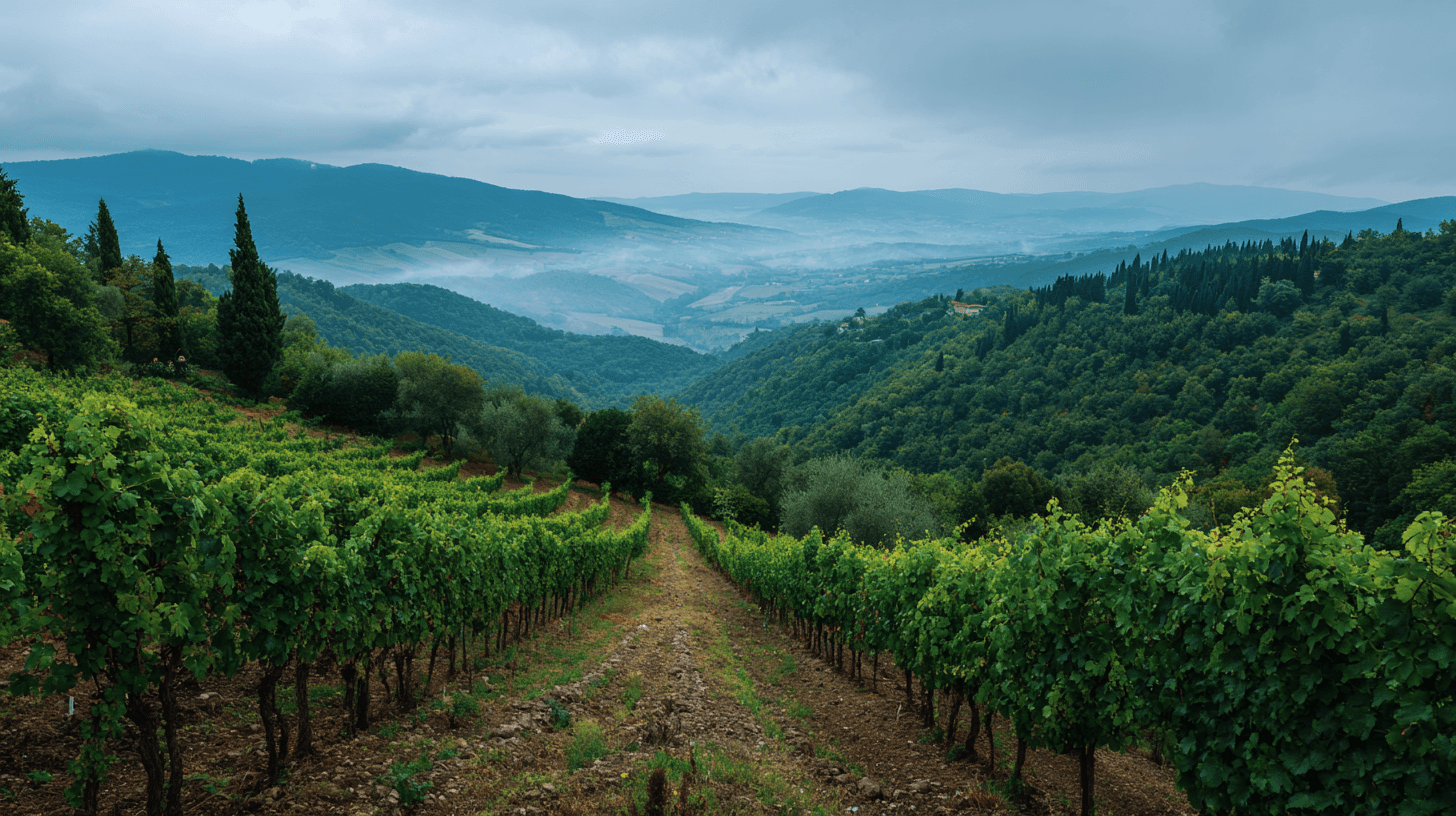
A denomination recognised as an area of excellence in 1716, described as "arguably the most famous of the Chianti sub-zones" by a Master of Wine in 2018, and almost absent from the international consumer radar. The reason is in the name.
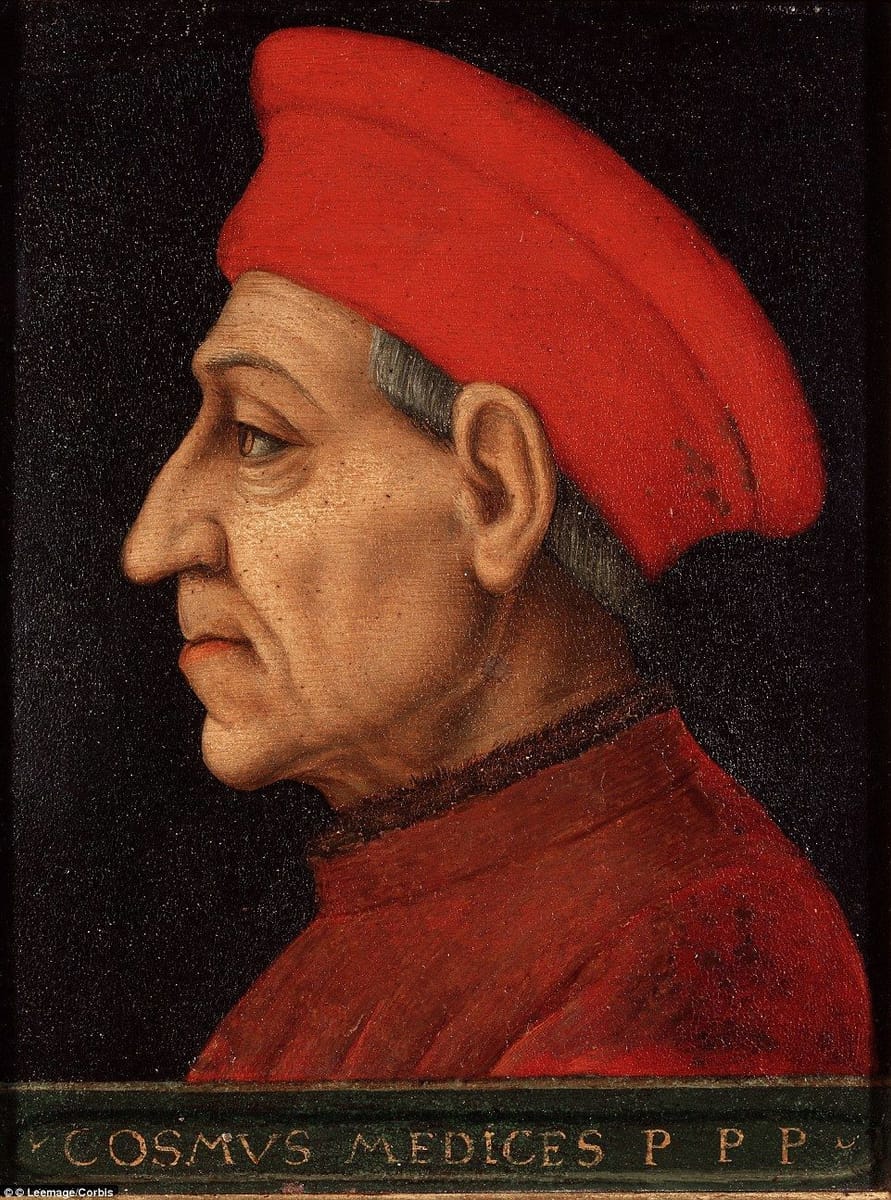
The denomination with the most extraordinary historical record in Italian wine is almost absent from the international radar. That's not an accident, it's the result of seventy years of administrative simplification.
Any system that manages complex value works when it codifies enough to make context legible, and little enough to avoid destroying what makes that context irreplaceable. Barolo has understood this for two hundred years.