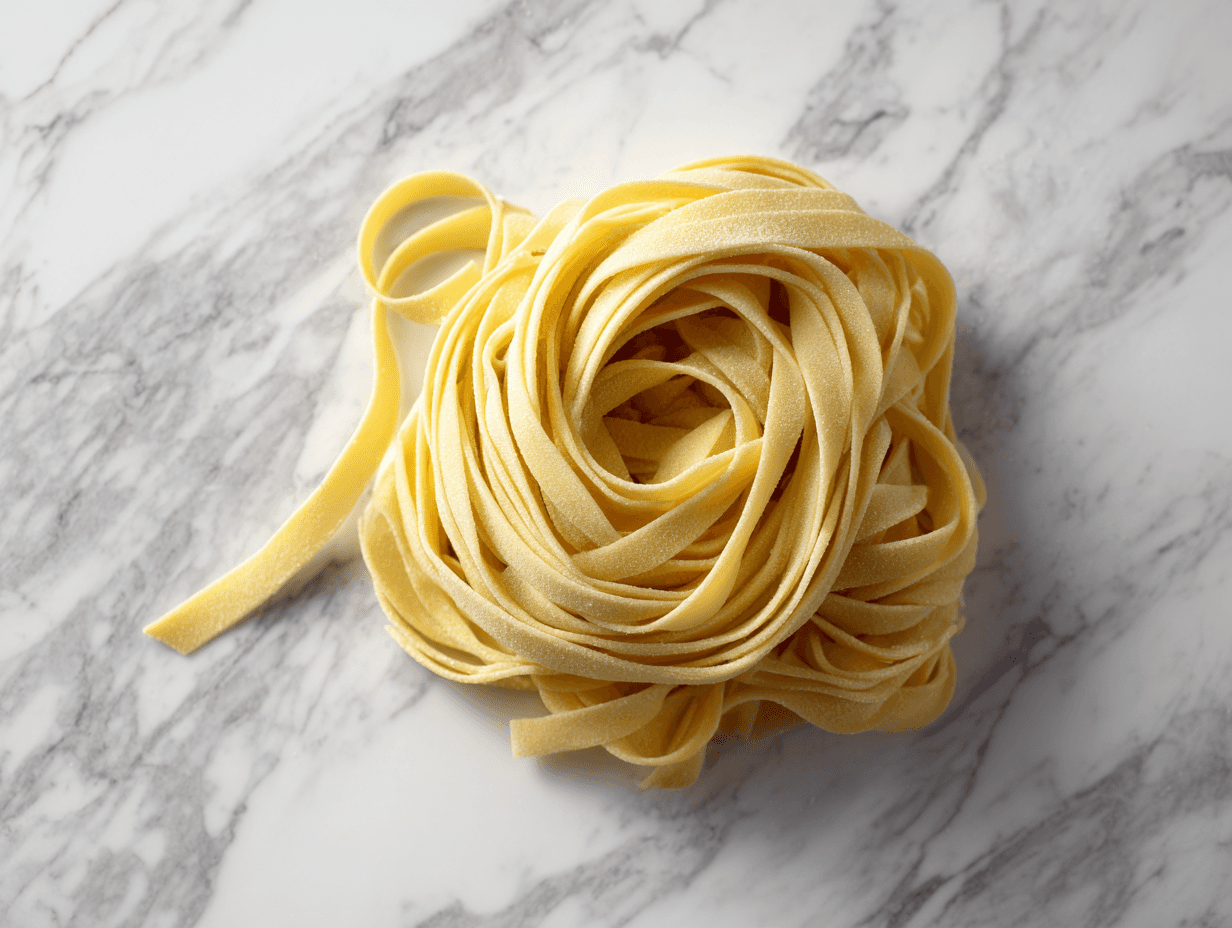
Pasta Has No Origin. It Has a History
Pasta has no origin point you can isolate, no single moment you can call its beginning. What emerges instead is a sequence of transformations: sheets of dough in the Roman world, dried strands in the Arab one, production systems in medieval Sicily. Italy’s role is not to invent, but to consolidate.
No one knows with certainty where pasta was “born.” And this is not a lack of sources: it is a historical fact. Its traces emerge in different places, at different times, along the shores of the Mediterranean and beyond. Roman ovens, Arab kitchens, Sicilian mills facing the sea. Not a zero point, but a constellation of practices that, over the centuries, have met, overlapped, and transformed. [1]
From Roman laganum to the first forms of dough
In ancient Rome there were preparations based on flour and water worked into thin sheets: laganae. They were cooked, layered, sometimes enriched with other ingredients. They were not yet pasta in the modern sense, but they show that the idea of cooked dough was already present in the Greco-Roman world.
Here pasta is not the protagonist. It is a marginal technique in a civilisation dominated by bread, flatbreads, and oven culture. For some scholars, these sheets are a distant ancestor of lasagne; for others they represent only a formal resemblance, not a technological continuity.
In any case, what will make pasta what it is today is still missing:
durum wheat semolina, drying, and a vocation for preservation [2].
Itriyya: the turning point of the Arab world
The true discontinuity occurs centuries later, in the medieval Arab world.
Here a term appears that often recurs in the sources: itriyya.
With this word are indicated strands of semolina dough, dried in the sun and then cooked in water. No longer a fresh sheet, but a product designed to last, transportable, suitable for long journeys by land and sea.
The innovation is not only culinary: it is technological. Drying the dough means transforming it into provisions, into a tradable good.
It is here that many historians identify the true qualitative leap: the birth of dried pasta as a distinct category [3].
Sicily: where pasta becomes a commodity
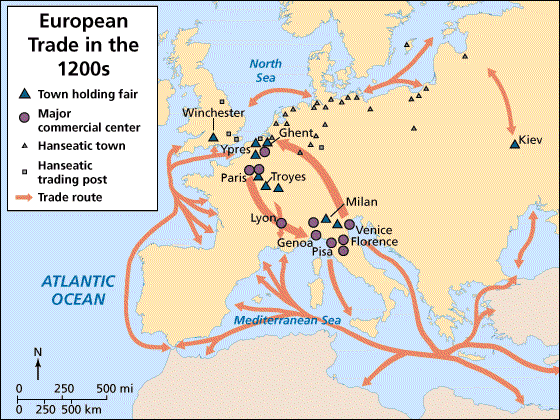
In the twelfth century Sicily enters the scene, a natural crossroads between the Arab world and the Latin world. The geographer al-Idrisi describes the area of Trabia, near Palermo, as a place where a semolina pasta is produced in long strands, dried and shipped by sea to many regions.
This is decisive testimony. Here pasta ceases to be only a local food and becomes an export product, an embryonic form of food industry. Mills, wind, durum wheat, ports: the context is perfect.
For many authors, it is in this environment that pasta takes on an already recognisable form: long shapes, semolina, drying, production at scale. Not a “sudden invention,” but a crystallisation [4].
From medieval pasta to the Italian icon
From Sicily and the South, pasta spreads toward other sea cities: Genoa, Naples. Techniques are refined, presses and dies appear, drying becomes more controlled. Pasta enters the daily diet.
But the true change of status occurs later. Between the eighteenth and nineteenth centuries, with the stable introduction of tomato into Italian cuisine, pasta ceases to be only practical nourishment and becomes a symbol. The imagery of pasta as the heart of Italian cuisine is born, along with the stereotype of the mangiamaccheroni.
It is in this phase that pasta becomes fully Italian, not because it had always been so, but because Italy adopts it as an identity language. A central reading in the work of Massimo Montanari [5].
Marco Polo, China, and the need for a legend
There remains a story that is difficult to uproot: Marco Polo bringing pasta from China.
It is a fascinating legend, but historically fragile.
In China there exists an extremely ancient tradition of noodles, developed autonomously. But there is no evidence of a direct transfer that explains the birth of Italian pasta, especially since similar preparations already existed in the Mediterranean before Polo’s travels.
Today many scholars prefer to speak of parallel developments: boiled doughs that emerge in multiple civilisations, without a single common origin.
The legend says more about pasta’s global success than about its true history [6].
A history made of encounters, not certificates
Putting the sources together, some shared points emerge: in the ancient world there are dishes of boiled cereals; the Arab Middle Ages introduce dried semolina pasta; Sicily plays a decisive role as an area of transformation; modern Italy transforms pasta into a cultural symbol.
Disagreements remain: continuity or rupture? Roman roots or Arab turning point? But perhaps it is precisely this uncertainty that is the most interesting fact.
Pasta does not have a birth certificate. It has a history of journeys, exchanges, contaminations. And Italy, more than anyone else, has known how to inhabit it, transform it into everyday culture, make it a shared language. Not because it invented it. But because it understood it.
Notes
[1] Massimo Montanari, Il cibo come cultura, Laterza – on the absence of a single origin and the process-based approach to the history of pasta.
[2] Alberto Capatti; Massimo Montanari, La cucina italiana. Storia di una cultura, Laterza – on Roman laganae and the limits of the ancient antecedent.
[3] Silvano Serventi; Françoise Sabban, Pasta: The Story of a Universal Food, Columbia University Press – on itriyya and the technological turning point of dried pasta.
[4] al-Idrisi, Nuzhat al-mushtāq (1154); John Dickie, Delizia!, Laterza – on medieval Sicily, Trabia, and export production.
[5] Massimo Montanari; John Dickie, Con gusto, Laterza – on the transformation of pasta into an Italian identity symbol.
[6] Serventi & Sabban; Françoise Sabban, “Pasta and Noodles: A Comparative History” – on the Marco Polo myth and parallel developments between China, the Arab world, and the Mediterranean.
Curated by Con Gusto
We select, analyze, and translate Italian food culture into practical taste decisions.
Trending Post

Stay up-to-date
Related Post
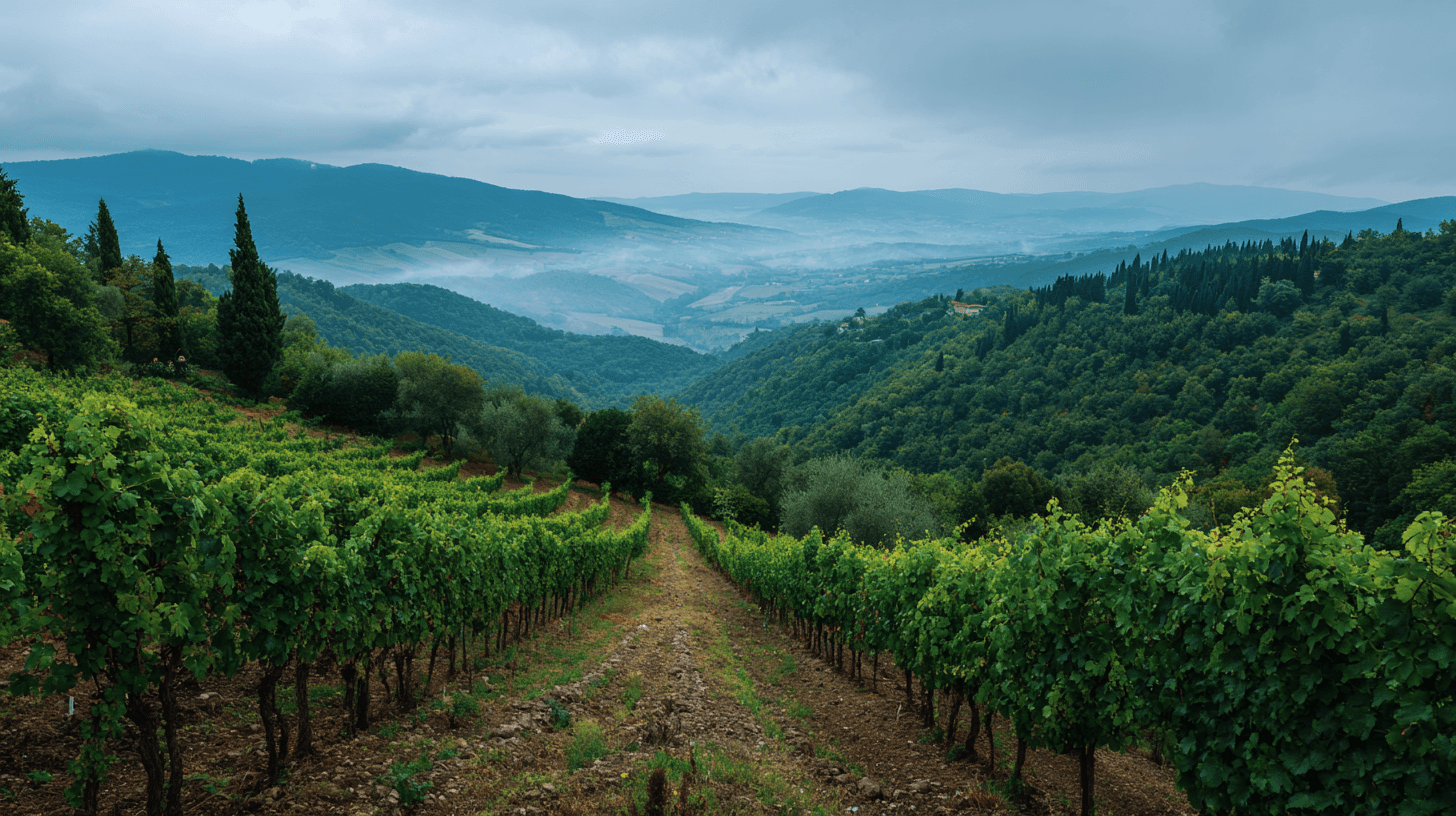
A denomination recognised as an area of excellence in 1716, described as "arguably the most famous of the Chianti sub-zones" by a Master of Wine in 2018, and almost absent from the international consumer radar. The reason is in the name.
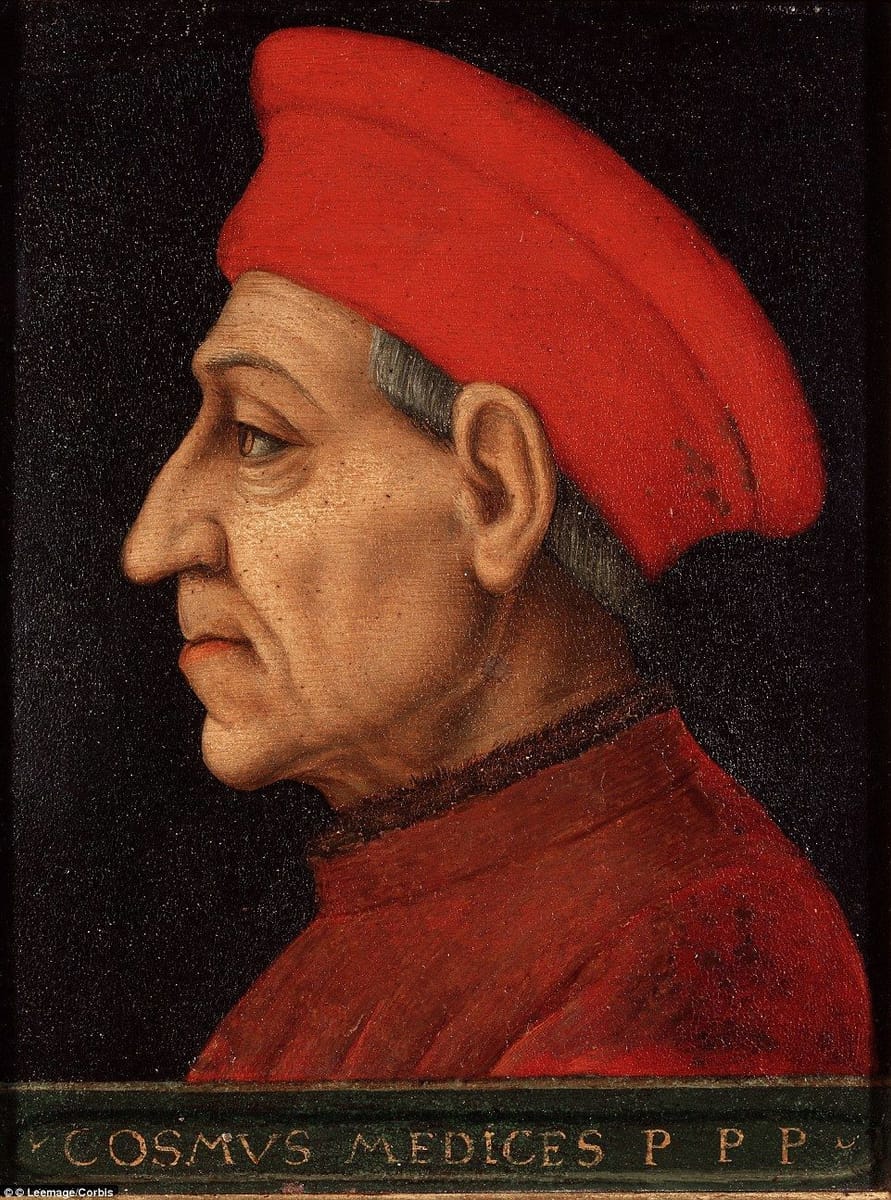
The denomination with the most extraordinary historical record in Italian wine is almost absent from the international radar. That's not an accident, it's the result of seventy years of administrative simplification.
Any system that manages complex value works when it codifies enough to make context legible, and little enough to avoid destroying what makes that context irreplaceable. Barolo has understood this for two hundred years.