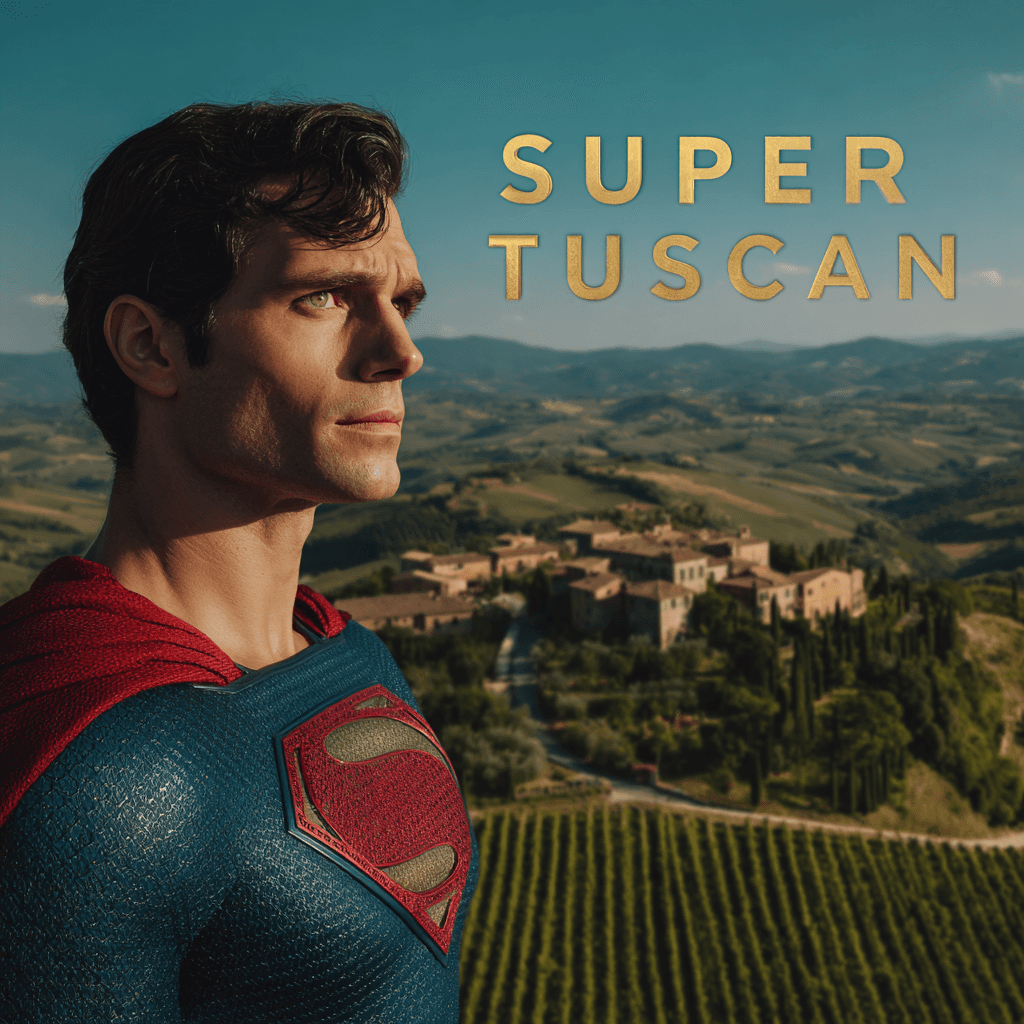
In 1978, a bottle of Sassicaia is rated by Decanter magazine as the best Cabernet Sauvignon in the world in an international comparative tasting. The label reads: "Vino da Tavola".
This is not a minor detail. In Italy, Vino da Tavola is the lowest classification provided by law. Below it, only bottles with no geographic indication, no variety, no vintage. It is the category designed for anonymous wine. Wine that has nothing to say. This is the paradox of the Super Tuscans.
How this story is normally told
The version in circulation is one of visionary rebellion. Enlightened producers (Incisa della Rocchetta with Sassicaia, Antinori with Tignanello, then Lodovico Antinori with Ornellaia) decide to ignore a bureaucratic and outdated system, import French varieties, adopt new techniques, and the international market rewards them. The implicit moral: genius transcends rules. It is a satisfying story. It is also a story that compresses nearly everything.
What gets eliminated in that version
The Chianti Classico DOCG disciplinare, in the version that held until the 1990s, required white grapes (Trebbiano and Malvasia) in the vinification of red wine. It was not a technical standard designed for quality wine. It was the codification of an industrial convention: white grapes were abundant, inexpensive, and diluted the wine just enough to produce it at high volumes. That rule was, formally, part of the system protecting the Chianti Classico name.
Tignanello exited the DOC because it used Cabernet Sauvignon alongside Sangiovese, and because it used French barriques instead of large Slavonian casks. Technically, it was making better wine. Legally, it was making table wine. Sassicaia was born even earlier as a wine for private use, inspired by Bordeaux, planted in a zone (Bolgheri) that held no relevant classification in the Italian system. When the market discovered it, there was no category in which to place it.
The loss of information here is twofold. The first: the DOC system had codified a version of Italian wine that protected quantity, not quality. Its rules defended an idea of typicity built in the 1960s, when the priority was exporting volume. Those who left that system were not abandoning quality. They were refusing to be classified according to a criterion that did not measure quality.
The second: on a Vino da Tavola label it is not possible to indicate the vintage, the zone, or the varieties. The information that generates value, that allows one to evaluate, compare, recognize, was eliminated by law. Formal downgrading produced a real erasure of content. The most highly rated wine in Italy communicated less information than a bottle of Chianti in a fiasco.
The moment the system reveals its own mechanics
In 1992, the Goria law introduces the IGT category (Indicazione Geografica Tipica). It is an apparently technical reform. In reality it is an admission.
The system acknowledges that a category of products existed which it could not contain, and builds a new slot to include them. It does not promote them to DOC or DOCG: it creates a lateral space with fewer constraints but more information than Vino da Tavola. In 1994, Bolgheri Sassicaia becomes the first single estate in Italy to obtain its own DOC.
The system that had forced those wines outside classification reabsorbs them. But to do so, it must modify itself.
The criterion
The story of the Super Tuscans is not the story of genius against bureaucracy. It is the story of a classification system that had stopped measuring what it claimed to protect. Its rules were still valid as an institutional mechanism (they controlled the use of names, guaranteed a certain uniformity) but they had lost the capacity to distinguish between real value and conventional value.
When a certification system can no longer contain the highest-quality cases, the problem is not in the cases. It is in the measurement system. Incisa della Rocchetta and Antinori did not exit the system because they had something to hide. They exited because the system lacked the tools to say what they were doing.
The question that remains open is not about wine. It concerns any context in which the rules that protect a value are built at one moment, and then the value shifts, while the rules remain.
Curated by Con Gusto
We select, analyze, and translate Italian food culture into practical taste decisions.
Trending Post


Stay up-to-date
Related Post
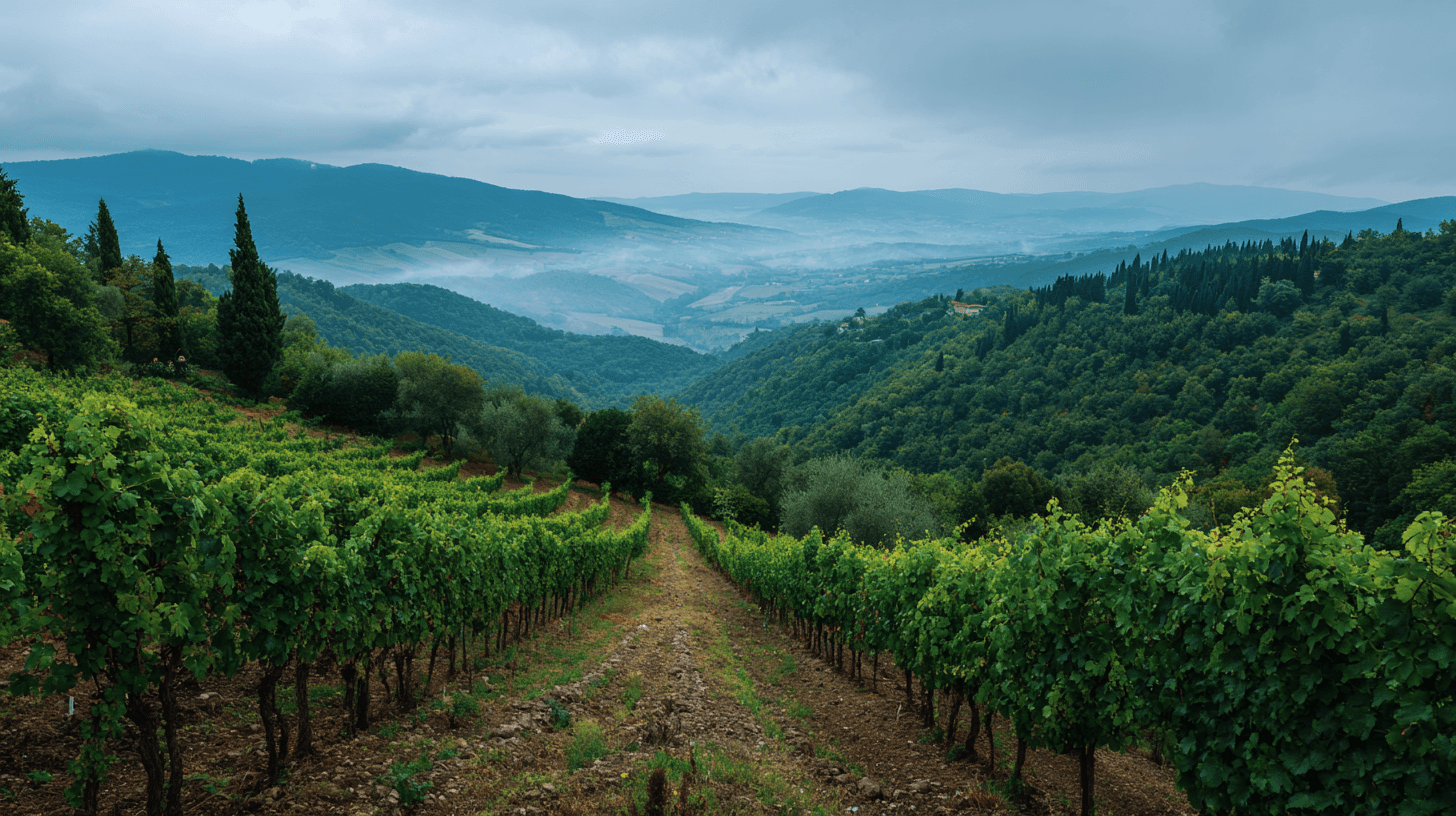
A denomination recognised as an area of excellence in 1716, described as "arguably the most famous of the Chianti sub-zones" by a Master of Wine in 2018, and almost absent from the international consumer radar. The reason is in the name.
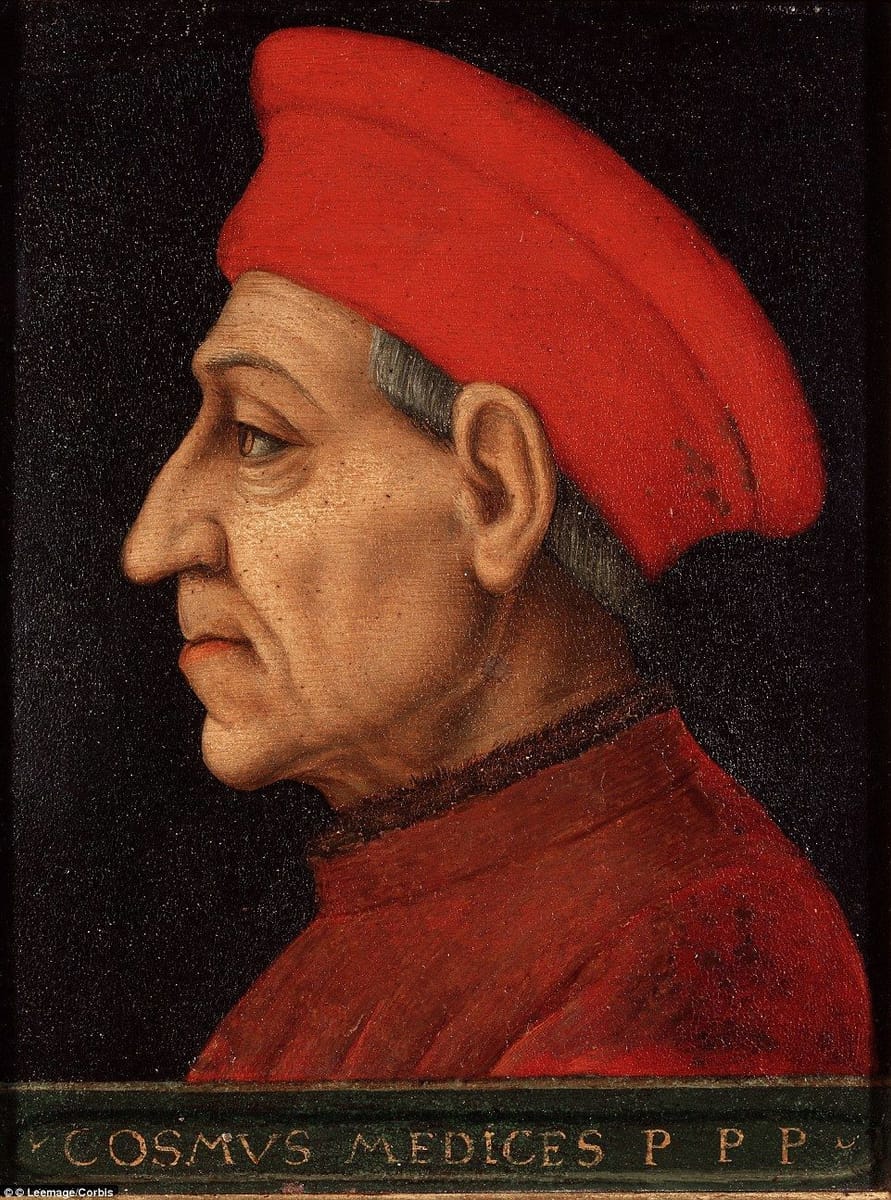
The denomination with the most extraordinary historical record in Italian wine is almost absent from the international radar. That's not an accident, it's the result of seventy years of administrative simplification.
Any system that manages complex value works when it codifies enough to make context legible, and little enough to avoid destroying what makes that context irreplaceable. Barolo has understood this for two hundred years.